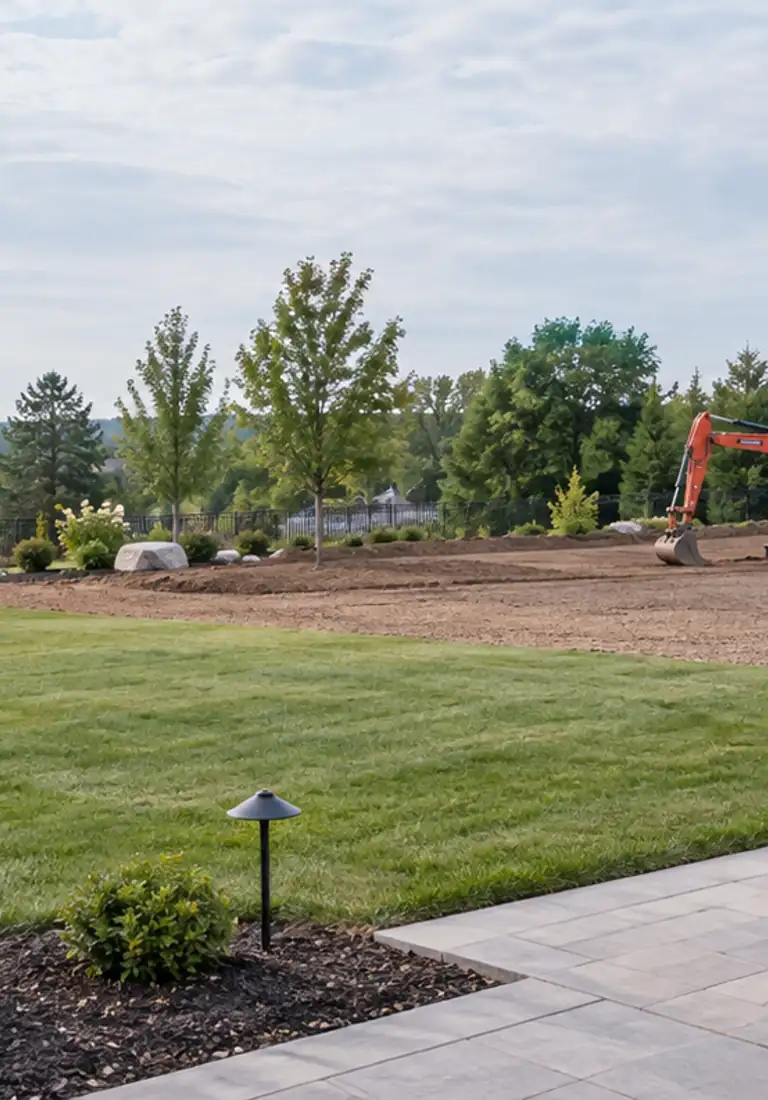
Planning area
This guide applies inside Seattle city limits. Nearby cities use separate permit authorities, and address-specific shoreline or environmentally critical area mapping can change the review path.
Start with the yard’s next use, then compare Seattle quotes on the same scope: full or partial removal, access, grading review, drainage and erosion controls, utilities, debris, fill, compaction, inspections, finish grade, and restoration.
These details are separated by service and linked to the government or technical sources used during research. Property-specific requirements still need confirmation before work begins.
Reviewed sources relevant to this service and shared city facts.
Ready to trade an unused pool for a more useful yard? In Seattle, the plan should connect the removal method to the site: full versus partial removal, narrow access, slopes, nearby structures, drainage, erosion control, mapped critical areas, debris hauling, fill, compaction, and what you want to build or plant afterward. Regional USGS mapping shows that Seattle sits on varied glacial and nonglacial deposits whose texture and thickness change by location, so a citywide “one soil type” answer is not reliable. The City’s grading rules are also important because pool removal involves excavation, fill, or both. Use the calculator for an initial planning estimate, then share the property details needed for a quote that reflects the actual access and restoration scope.
This guide applies inside Seattle city limits. Nearby cities use separate permit authorities, and address-specific shoreline or environmentally critical area mapping can change the review path.
A complete Seattle quote should make access and earthwork visible instead of burying them in one total. Compare the same removal method and require written responsibility for permit research, utilities, concrete and reinforcing steel, hauling, disposal, imported fill, lift placement, compaction, drainage, erosion control, final grade, cleanup, and restoration.
Visual project workflow
Use these checkpoints to compare proposals. The responsible authority and selected contractor determine the property-specific sequence.
Define full removal or a permitted partial-fill approach, future site use, access limits, and the written project scope.
Assign permit, utility-disconnection, inspection, and documentation responsibilities before scheduling work.
Compare shell removal, debris handling, imported fill, lift placement, compaction, and equipment-access assumptions.
Confirm drainage, finish grade, inspection closeout, supporting records, and the condition promised in the written scope.
Local scope note
Measure the equipment route from the street to the pool, including gates, side yards, alleys, slopes, overhead clearance, fences, walls, steps, and flatwork. Note drainage paths, utilities, nearby foundations, trees, and any mapped steep-slope, landslide, wetland, shoreline, or flood-prone conditions. The scope should identify inspection points, debris destination, fill specification, compaction approach, temporary erosion controls, finish grade, restoration, and exclusions.
A clear Seattle pool removal quote tells you what will be removed, what the finished site will look like, and which costs are included. Use these details to compare proposals before choosing.
Get answers to the most common questions about pool removal. Don't see your question? Use our cost guide or contact us online.
Cost depends on pool size and construction, full or partial removal, equipment access, slopes, utilities, concrete and steel quantities, hauling, fill, compaction, drainage, erosion controls, and restoration. Use the calculator for a planning estimate, then request an itemized quote based on the property.
Confirm the exact path with Seattle SDCI. Pool removal involves excavation, filling, or both, and SDCI’s grading requirements depend on grade change, earthwork volume, disturbed area, shoreline location, and environmentally critical areas. Floodplain grading requires a floodplain development permit.
Full removal takes out the shell and is generally the clearer starting point when future construction is possible. Partial removal can reduce excavation and hauling, but remaining material, drainage, fill, compaction, disclosure, and future-use limits must be resolved. Confirm the permitted scope before choosing.
Not automatically, but wet conditions can affect access, excavation, stockpiles, hauling, compaction, and erosion controls. A realistic proposal should explain weather contingencies and how exposed soil and drainage will be managed instead of promising one universal schedule.
Timing depends on permit review, site access, removal method, utilities, inspections, hauling, fill availability, weather, compaction, stabilization, and restoration. Ask for a written schedule separating preconstruction, demolition, backfill, and closeout.
Look for the removal method, permit responsibility, utility work, access assumptions, concrete and steel handling, debris destination, fill, compaction, drainage and erosion controls, inspections, final grade, cleanup, restoration, exclusions, and payment milestones.
Explore pool removal in Washington and nearby border communities. Requirements depend on the project address.
Use the local details above to build your starting estimate, then request scope-matched quotes from contractors serving Seattle.
Understand the full project scope. See our 2026 Pool Removal Cost Guide for detailed pricing breakdowns.
Does pool removal increase home value? Read our detailed guide to resale value impacts.