Why Generic Demolition Contractors Fail in Seattle
Removing a structure in the local area isn't just about heavy machinery. It requires strict adherence to local zoning laws and an understanding of the exact environmental factors of Seattle County.
Seattle County Permitting
Before our excavators ever touch your property, we secure all mandatory structural demolition permits directly through the Seattle County building department.
Local Environment & Logistics
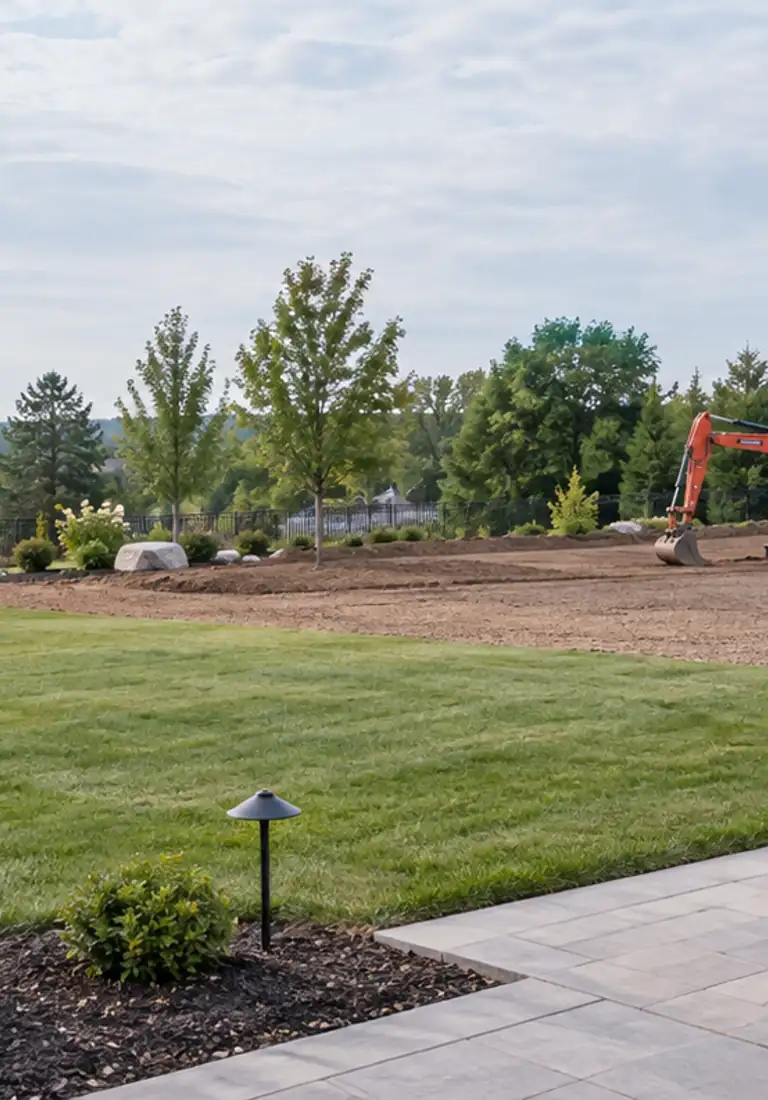
Proper compaction is critical after demolition. We engineer the site fill to prevent future foundation shifting or extreme settling, adapting to specific local environmental conditions.
- Soil Composition: Glacial till, clay, and sandy loam
- Climate Factors: High rainfall, potential for soil erosion, moderate temperatures
- Local Obstacles: Narrow alleys, steep slopes, underground utilities
Responsible Debris Recycling
We don't just dump structural waste anywhere. Concrete, rebar, and lumber from your demolition project in Seattle are carefully separated and transported to approved recycling facilities, keeping thousands of tons of debris out of local landfills and keeping our local Seattle County community clean.
Demolition Cost in Seattle (2026)
How Demolition Works in Seattle
Seattle's unique geography demands specialized demolition expertise. The city's hilly terrain, combined with glacial till and clay soils, can complicate excavation and foundation removal. Additionally, Seattle's rainy climate means high groundwater levels and potential for erosion during projects. Local regulations, including the Seattle Department of Construction and Inspections (SDCI), require strict adherence to environmental and safety standards. Our team is well-versed in handling these challenges, from navigating permits to managing stormwater runoff. Whether you're in Ballard with its compact lots or West Seattle with its steep slopes, we bring local knowledge to every project.
Permit Roadmap: Seattle
What to verify before breaking ground in Seattle, from project scope to contractor responsibility.
Permit Requirements
In Seattle, a demolition permit is typically required from the Seattle Department of Construction and Inspections (SDCI). You'll need to submit a Demolition Permit Application, along with site plans and proof of utility disconnects.
Process & Documentation
The fee varies based on project value—typically $500-$2,000 for residential structures. The review process can take 2-6 weeks, depending on complexity and whether historic review is needed.
Fees & Timelines
Additionally, you must comply with the Seattle Demolition Ordinance, which requires asbestos abatement if the building was constructed before 1980. You'll also need to post a permit notice on-site and provide erosion control measures.
Common Mistakes in Seattle Demolition
Improper compaction leading to ground sinking within months of completion.
Using general excavation crews unfamiliar with specific structural reinforcement and local regulations.
Ignoring drainage flow, causing water pooling on the property after demolition.
Not accounting for Seattle-specific soil stability during the backfill phase.
Demolition Scope Options in Seattle
Use these common demolition scopes to compare written bids in Seattle. The exact work should follow the property, permit, and intended site use.
Structural Demolition
Complete Tear-Downs
Structural demolition may cover sheds, garages, decks, or full buildings. Permit, utility, hazardous-material, and debris requirements depend on the structure.
- Building demolition
- Deck & patio removal
- Structural clearing
Site Clearing
Debris Removal & Grading
Site clearing scopes should spell out debris hauling, legal disposal, erosion controls, imported material, drainage, and finish grade.
- Lot clearing
- Debris hauling
- Land grading
Concrete Breaking
Slab & Driveway Removal
Slab, driveway, and foundation removal should identify work limits, reinforcement, utility conflicts, hauling, disposal, and the restored surface.
- Driveway removal
- Foundation breaking
- Concrete disposal
Seattle, WA Project Data
$15,950
Range: $5,800–$26,100
4–7 Days
Depends on excavation complexity and soil conditions
Required
Confirm responsibility in the written scope
Local planning figures for Seattle — review sources and quote details
Demolition in Seattle: What to Expect
Demolition in Seattle mostly comes down to the glacial till. The ground here is a dense mix of clay, sand, and gravel that is heavy going but compacts well. Most jobs run five to ten days once permits clear, and the cost stays predictable when the site work is done right the first time.
Seattle Project Roadmap
A Phase 1–3 planning outline for comparing structural demolition scopes in Seattle.
Phase 1: Site Prep
The written scope should assign site clearing, utility marking, and preparation of the demolition zone before excavation.
Phase 2: Demolition
The proposal should define structural or selective removal, protection of adjoining areas, dust control, and debris handling.
Phase 3: Grading
Closeout requirements should state whether foundations are removed, what material is imported, how it is compacted, and the required finish grade.
Why Project Costs Vary in Seattle
Understanding the local variables that influence your final estimate.
Saturation & Drainage Assessment
A sloppy demolition job can shift foundations. We check every structure near the dig and compact the fill in lifts so the ground doesn't settle.
SDCI Permit Delays
Seattle's SDCI permit process is notoriously slow (taking up to 8 weeks). We advise homeowners to secure permits during the winter to guarantee a removal slot during the dry summer months.
Tight Access & Hillsides
Neighborhoods like Capitol Hill, Magnolia, and West Seattle are built on steep hills with narrow gates. We use specialized, compact demolition equipment to prevent damage to your existing landscaping.
Seasonal Timing Matters
Seattle removals in summer (June-September) are typically 30% faster and less expensive than winter removals due to drier ground conditions and easier equipment access.
Saturation Risk
Glacial till holds water. If you excavate in wet conditions without proper dewatering, walls can collapse. We use heavy-duty pumps and maintain a 3-foot safety margin above the water table.
Cost Drivers & Mitigation
Seattle's demolition projects often face tight access due to narrow streets and alleys, especially in older neighborhoods like Pioneer Square and Belltown. The city's clay-rich soil can become slippery when wet, creating challenging working conditions.
Timeline & Seasonality
We schedule projects with weather in mind—rainy season (November-March) may slow excavation, but we use pumps and dewatering systems to manage groundwater. Additionally, Seattle's demolition debris must be sorted and recycled per local regulations, with concrete often crushed for reuse.
Local Logistics & Access
Our team is experienced in these seasonal and logistical considerations, ensuring efficient, compliant projects.
Demolition FAQs for Seattle
Get answers to the most common questions about demolition and site clearing. Don't see your question? Use our cost guide or contact us online.
Yes, a demolition permit from the Seattle Department of Construction and Inspections (SDCI) is required for most structures. Fees range from $500 to $2,000 for residential projects, and the review process takes 2-6 weeks. You'll also need to comply with asbestos abatement and erosion control regulations.
The cost varies by project size and complexity, but typical residential demolition in Seattle ranges from $5,000 to $15,000. Factors include square footage, materials, foundation type, and access constraints. Commercial projects are higher, often starting at $20,000. We provide free estimates after a site visit.
Most residential demolitions in Seattle take 3-7 days, depending on size and complexity. Commercial projects can take 2-4 weeks. Weather can affect timelines, especially during the rainy season, but we plan accordingly to minimize delays.
Seattle's soil is predominantly glacial till, clay, and sandy loam. Glacial till can be dense and hard, requiring heavy equipment. Clay becomes slippery when wet, posing safety risks. High groundwater levels in some areas may require dewatering during excavation. Our team is experienced with these conditions.
Yes, demolition can be done year-round in Seattle, but the rainy season (November-March) can create muddy conditions and increase the risk of erosion. We use erosion control measures and dewatering systems to manage these challenges. Projects may take slightly longer during heavy rain, but we keep safety as a priority.
Success Stories
Real projects from your neighbors in Seattle.
Success Story 1
"CASE STUDY 1: Ballard Residential Demolition Location: 1234 NW 45th St Scope: Full demo of 2-story house, including fou...
Soil & Geology in Seattle
The ground under Seattle is Glacial till, clay, and sandy loam.
That matters more than most homeowners realize. It is a dense mix of clay, sand, and gravel that is heavy going but compacts well, so we work it with heavier equipment and compact in layers. For demolition, the excavation and backfill have to be right or the yard settles within a year. The wet months turn the ground to mud, so we time the work around the rain.
How the Project Works
A typical demolition job in Seattle runs five to ten working days from mobilization to final grade. The first step is always the same: mark utilities, pull the permit, and stage equipment. Narrow access means compact equipment and careful rigging the grade means benching the excavation and watching drainage. Debris is hauled same-week, and the wet months turn the ground to mud, so we time the work around the rain.
Permit Details & Inspections
For demolition in Seattle, the permit package usually needs a site plan, proof of insurance, and a utility release from each provider. An inspection is typically scheduled before backfill, so the fill and compaction are verified while the work is still open. Narrow access means compact equipment and careful rigging the grade means benching the excavation and watching drainage.
Yard Restoration & Backfill
After the structure is down in Seattle, the site is backfilled with a graded base material in compacted lifts. That is the step that separates a yard that stays flat from one that sinks a year later, especially with Glacial till, clay, and sandy loam.
We grade for positive drainage away from the house, then leave the pad ready for sod, seed, or a new build. We work it with heavier equipment and compact in layers, and the wet months turn the ground to mud, so we time the work around the rain. The finished yard holds up through the seasons.
Washington Service Areas
Explore demolition in Washington and nearby border communities. Requirements depend on the project address.
More City Guides
Get Your Seattle Demolition Estimate
Tell us about your Seattle-area project to see a local range and request property-specific quotes.
Demolition Costs
Understand the full project scope. See our 2026 Demolition Cost Guide for detailed pricing breakdowns.
Site Reuse Planning
Plan what comes after removal. Review our demolition and site-preparation overview.