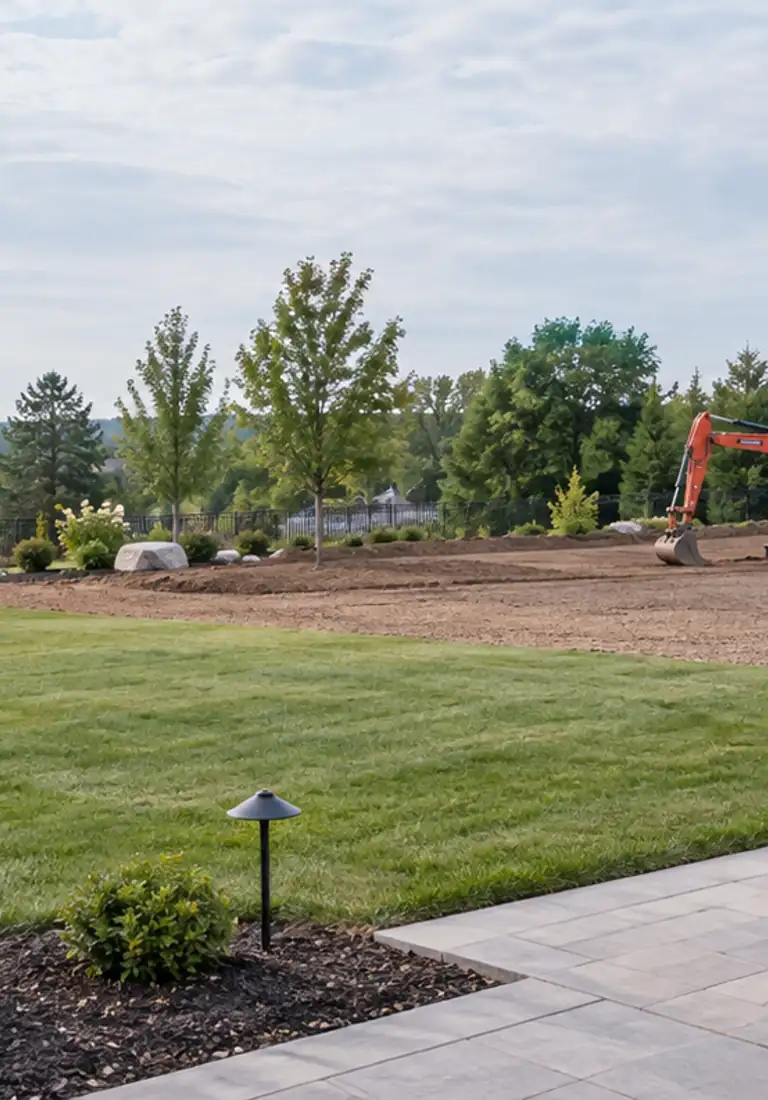
Why Generic Demolition Contractors Fail in San Antonio
Removing a structure in the local area isn't just about heavy machinery. It requires strict adherence to local zoning laws and an understanding of the exact environmental factors of San Antonio County.
San Antonio County Permitting
Before our excavators ever touch your property, we secure all mandatory structural demolition permits directly through the San Antonio County building department.
Local Environment & Logistics
Proper compaction is critical after demolition. We engineer the site fill to prevent future foundation shifting or extreme settling, adapting to specific local environmental conditions.
- Soil Composition: Expansive clay (Taylor and Houston Black series)
- Climate Factors: Hot summers (100°F+), mild winters, occasional heavy rain in spring/fall
- Local Obstacles: Narrow streets, tight access, expansive clay, Edwards Aquifer regulations
Responsible Debris Recycling
We don't just dump structural waste anywhere. Concrete, rebar, and lumber from your demolition project in San Antonio are carefully separated and transported to approved recycling facilities, keeping thousands of tons of debris out of local landfills and keeping our local San Antonio County community clean.
Demolition Cost in San Antonio (2026)
How Demolition Works in San Antonio
San Antonio's unique geology presents specific challenges for demolition. The region is dominated by expansive clay soils, particularly the Taylor and Houston Black series, which swell when wet and shrink when dry. This movement can stress foundations and complicate demolition planning. Additionally, the Edwards Aquifer recharge zone in the northern parts of the city imposes strict regulations on excavation and debris disposal to protect groundwater. Local neighborhoods like Alamo Heights, Terrell Hills, and King William often have narrow streets and older structures that require careful, high-precision demolition to avoid damage to adjacent properties. Our team is well-versed in these conditions and adheres to all city and county requirements, ensuring safe and compliant projects.
Permit Roadmap: San Antonio
What to verify before breaking ground in San Antonio, from project scope to contractor responsibility.
Permit Requirements
In San Antonio, most demolition projects require a permit from the City of San Antonio's Development Services Department (DSD). The process typically involves submitting a Demolition Permit Application, which includes a site plan, proof of property ownership, and a plan for utility disconnection.
Process & Documentation
Asbestos inspection is mandatory for structures built before 1980, and a certified asbestos abatement contractor must handle removal if asbestos is found. Permit fees vary based on the size and type of structure, but residential permits typically range from $100 to $300, while commercial permits can be higher.
Fees & Timelines
The review process usually takes 2-4 weeks. Additionally, properties within the Edwards Aquifer Recharge Zone may require a separate permit from the Texas Commission on Environmental Quality (TCEQ).
Common Mistakes in San Antonio Demolition
Improper compaction leading to ground sinking within months of completion.
Using general excavation crews unfamiliar with specific structural reinforcement and local regulations.
Ignoring drainage flow, causing water pooling on the property after demolition.
Not accounting for San Antonio-specific soil stability during the backfill phase.
Demolition Scope Options in San Antonio
Use these common demolition scopes to compare written bids in San Antonio. The exact work should follow the property, permit, and intended site use.
Structural Demolition
Complete Tear-Downs
Structural demolition may cover sheds, garages, decks, or full buildings. Permit, utility, hazardous-material, and debris requirements depend on the structure.
- Building demolition
- Deck & patio removal
- Structural clearing
Site Clearing
Debris Removal & Grading
Site clearing scopes should spell out debris hauling, legal disposal, erosion controls, imported material, drainage, and finish grade.
- Lot clearing
- Debris hauling
- Land grading
Concrete Breaking
Slab & Driveway Removal
Slab, driveway, and foundation removal should identify work limits, reinforcement, utility conflicts, hauling, disposal, and the restored surface.
- Driveway removal
- Foundation breaking
- Concrete disposal
San Antonio, TX Project Data
$12,650
Range: $4,600–$20,700
3–6 Days
Depends on excavation complexity and soil conditions
Required
Confirm responsibility in the written scope
Local planning figures for San Antonio — review sources and quote details
Demolition in San Antonio: What to Expect
Demolition in San Antonio mostly comes down to the expansive clay. The ground here is clay that swells when it is wet and shrinks when it dries, which is what cracks slabs and shifts foundations. Most jobs run five to ten days once permits clear, and the cost stays predictable when the site work is done right the first time.
San Antonio Project Roadmap
A Phase 1–3 planning outline for comparing structural demolition scopes in San Antonio.
Phase 1: Site Prep
The written scope should assign site clearing, utility marking, and preparation of the demolition zone before excavation.
Phase 2: Demolition
The proposal should define structural or selective removal, protection of adjoining areas, dust control, and debris handling.
Phase 3: Grading
Closeout requirements should state whether foundations are removed, what material is imported, how it is compacted, and the required finish grade.
Why Project Costs Vary in San Antonio
Understanding the local variables that influence your final estimate.
Limestone Shelf Assessment
A sloppy demolition job can shift foundations. We check every structure near the dig and compact the fill in lifts so the ground doesn't settle.
Caliche Layer Risk
The caliche layer common in San Antonio can be 2-6 feet thick and requires hydraulic rock breakers. Not all pool removal contractors carry this equipment — we do.
Compaction Evidence
Ask the contractor to document fill material, lift depth, moisture control, testing, drainage, and any written warranty terms. No site can be represented as settlement-proof without property-specific evidence.
Cost Drivers & Mitigation
San Antonio's clay soil is a major factor in demolition. During wet seasons, the soil becomes sticky and heavy, making excavation more difficult.
Timeline & Seasonality
We often use tracked equipment to navigate these conditions. Conversely, in dry months, the soil can be rock-hard, requiring specialized breakers.
Local Logistics & Access
The city's hot summers (average highs above 95°F) can impact worker safety, so we schedule early morning starts to avoid peak heat. Also, many older homes in central neighborhoods have limited access, sometimes requiring manual demolition or the use of smaller machinery.
Property Value Impact
We plan for these challenges to keep projects on schedule.
Demolition FAQs for San Antonio
Get answers to the most common questions about demolition and site clearing. Don't see your question? Use our cost guide or contact us online.
Yes, a permit from the City of San Antonio's Development Services Department is required. Fees range from $100 to $300 for residential, and the process takes 2-4 weeks. Asbestos inspection is required for buildings built before 1980.
Costs vary widely, but residential demolition typically ranges from $5,000 to $15,000, depending on size, materials, and accessibility. Commercial projects can cost $20,000 or more. Factors like asbestos removal and soil conditions can increase costs.
Most residential projects take 1-3 days, but permits and utility disconnections can add 2-4 weeks. Commercial projects may take longer depending on complexity.
San Antonio's expansive clay soils swell when wet and shrink when dry, which can cause foundation issues and make excavation unpredictable. In dry periods, the soil can be very hard, requiring specialized equipment.
Yes, but summer heat can be intense, so we often work early mornings. Heavy rains in spring and fall can cause delays due to muddy conditions. Winter is generally mild and ideal for demolition.
Success Stories
Real projects from your neighbors in San Antonio.
Success Story 1
"Case Study 1: Alamo Heights – Complete residential demolition of a 2,400 sq ft single-family home on a narrow lot. Clay...
Soil & Geology in San Antonio
The ground under San Antonio is Expansive clay (Taylor and Houston Black series).
That matters more than most homeowners realize. It is clay that swells when it is wet and shrinks when it dries, which is what cracks slabs and shifts foundations, so we over-excavate and backfill with a stable mix compacted in lifts. For demolition, the excavation and backfill have to be right or the yard settles within a year. The summer heat means early starts and keeping the dust down with water.
How the Project Works
A typical demolition job in San Antonio runs five to ten working days from mobilization to final grade. The first step is always the same: mark utilities, pull the permit, and stage equipment. Narrow access means compact equipment and careful rigging mature trees near the dig need root protection. Debris is hauled same-week, and the summer heat means early starts and keeping the dust down with water.
Permit Details & Inspections
For demolition in San Antonio, the permit package usually needs a site plan, proof of insurance, and a utility release from each provider. An inspection is typically scheduled before backfill, so the fill and compaction are verified while the work is still open. Narrow access means compact equipment and careful rigging mature trees near the dig need root protection.
Yard Restoration & Backfill
After the structure is down in San Antonio, the site is backfilled with a graded base material in compacted lifts. That is the step that separates a yard that stays flat from one that sinks a year later, especially with Expansive clay (Taylor and Houston Black series).
We grade for positive drainage away from the house, then leave the pad ready for sod, seed, or a new build. We over-excavate and backfill with a stable mix compacted in lifts, and the summer heat means early starts and keeping the dust down with water. The finished yard holds up through the seasons.
Texas Service Areas
Explore demolition in Texas and nearby border communities. Requirements depend on the project address.
Get Your San Antonio Demolition Estimate
Tell us about your San Antonio-area project to see a local range and request property-specific quotes.
Demolition Costs
Understand the full project scope. See our 2026 Demolition Cost Guide for detailed pricing breakdowns.
Site Reuse Planning
Plan what comes after removal. Review our demolition and site-preparation overview.