Why Generic Demolition Contractors Fail in Indianapolis
Removing a structure in the local area isn't just about heavy machinery. It requires strict adherence to local zoning laws and an understanding of the exact environmental factors of Indianapolis County.
Indianapolis County Permitting
Before our excavators ever touch your property, we secure all mandatory structural demolition permits directly through the Indianapolis County building department.
Local Environment & Logistics
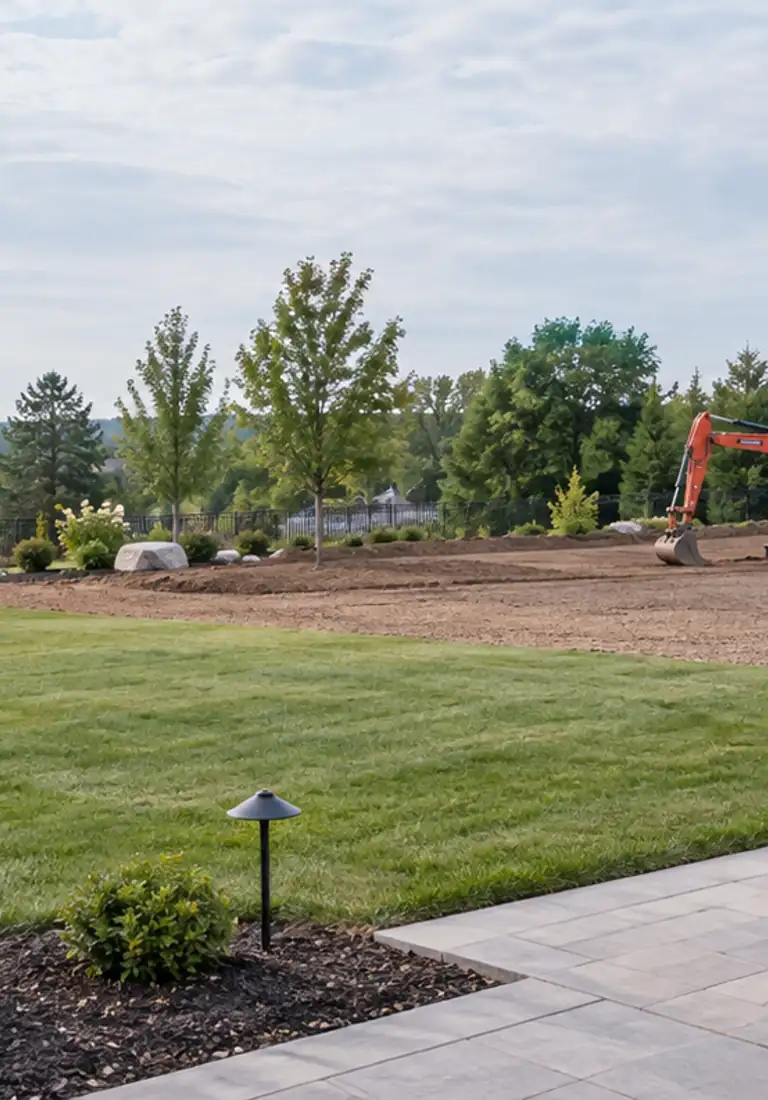
Proper compaction is critical after demolition. We engineer the site fill to prevent future foundation shifting or extreme settling, adapting to specific local environmental conditions.
- Soil Composition: Clay-rich glacial till
- Climate Factors: Freezing winters, hot humid summers, high water table in some areas
- Local Obstacles: Narrow alleys, tight urban lots, clay soil compaction
Responsible Debris Recycling
We don't just dump structural waste anywhere. Concrete, rebar, and lumber from your demolition project in Indianapolis are carefully separated and transported to approved recycling facilities, keeping thousands of tons of debris out of local landfills and keeping our local Indianapolis County community clean.
Demolition Cost in Indianapolis (2026)
How Demolition Works in Indianapolis
Indianapolis sits on a foundation of dense clay soil, a factor that significantly impacts demolition and excavation projects. The region's glacial till and clay-rich earth can complicate foundation removal and site grading, requiring specialized equipment and techniques to prevent erosion and ensure proper compaction. Additionally, Indianapolis experiences a humid continental climate with freezing winters and hot, humid summers, which can affect concrete curing and excavation schedules. Local regulations, including the Indiana Demolition Permit Program and asbestos abatement requirements, must be strictly followed. Neighborhoods like Broad Ripple, Fountain Square, and Carmel present unique challenges, from narrow lots to historic structures, demanding a nuanced approach to each project.
Permit Roadmap: Indianapolis
What to verify before breaking ground in Indianapolis, from project scope to contractor responsibility.
Permit Requirements
In Indianapolis, a demolition permit is required for any building demolition. You must submit an application to the Indianapolis Department of Business and Neighborhood Services (DBNS).
Process & Documentation
The application includes a detailed plan, proof of asbestos inspection, and a $100 non-refundable fee. The process typically takes 2-4 weeks for approval, depending on the complexity and completeness of the application.
Fees & Timelines
Additionally, you must notify utility companies and obtain a street occupancy permit if the demolition will affect the right-of-way. For projects involving structures over 100 years old, additional historic review may be required.
Common Mistakes in Indianapolis Demolition
Improper compaction leading to ground sinking within months of completion.
Using general excavation crews unfamiliar with specific structural reinforcement and local regulations.
Ignoring drainage flow, causing water pooling on the property after demolition.
Not accounting for Indianapolis-specific soil stability during the backfill phase.
Demolition Scope Options in Indianapolis
Use these common demolition scopes to compare written bids in Indianapolis. The exact work should follow the property, permit, and intended site use.
Structural Demolition
Complete Tear-Downs
Structural demolition may cover sheds, garages, decks, or full buildings. Permit, utility, hazardous-material, and debris requirements depend on the structure.
- Building demolition
- Deck & patio removal
- Structural clearing
Site Clearing
Debris Removal & Grading
Site clearing scopes should spell out debris hauling, legal disposal, erosion controls, imported material, drainage, and finish grade.
- Lot clearing
- Debris hauling
- Land grading
Concrete Breaking
Slab & Driveway Removal
Slab, driveway, and foundation removal should identify work limits, reinforcement, utility conflicts, hauling, disposal, and the restored surface.
- Driveway removal
- Foundation breaking
- Concrete disposal
Indianapolis, IN Project Data
$12,320
Range: $4,480–$20,160
3–5 Days
Depends on excavation complexity and soil conditions
Required
Confirm responsibility in the written scope
Local planning figures for Indianapolis — review sources and quote details
Demolition in Indianapolis: What to Expect
Demolition in Indianapolis mostly comes down to the glacial till. The ground here is a dense mix of clay, sand, and gravel that is heavy going but compacts well. Most jobs run five to ten days once permits clear, and the cost stays predictable when the site work is done right the first time.
Indianapolis Project Roadmap
A Phase 1–3 planning outline for comparing structural demolition scopes in Indianapolis.
Phase 1: Site Prep
The written scope should assign site clearing, utility marking, and preparation of the demolition zone before excavation.
Phase 2: Demolition
The proposal should define structural or selective removal, protection of adjoining areas, dust control, and debris handling.
Phase 3: Grading
Closeout requirements should state whether foundations are removed, what material is imported, how it is compacted, and the required finish grade.
Why Project Costs Vary in Indianapolis
Understanding the local variables that influence your final estimate.
Stormwater Credits
A sloppy demolition job can shift foundations. We check every structure near the dig and compact the fill in lifts so the ground doesn't settle.
Stormwater Utility Credits
By removing impervious concrete and replacing it with permeable grass, Indianapolis homeowners can qualify for 'Clean Stream' Stormwater Utility credits. Our Indy team provides the specific site-plan documentation required for your Marion County application to help lower your monthly utility bill.
Low-Impact Machinery
We use compact, low-impact machinery specifically designed to navigate tight Indianapolis suburbs. This allows us to dismantle above-ground pools and haul away debris without tearing up your grass or cracking your driveway.
Cost Drivers & Mitigation
Indianapolis's clay soil can become sticky and difficult to handle when wet, particularly after heavy rains or during the spring thaw. This can slow down excavation and increase the risk of soil erosion.
Timeline & Seasonality
To mitigate these issues, we often schedule excavations during drier months and use proper dewatering techniques. The city's urban layout, with narrow alleys and tight spaces in older neighborhoods, requires careful planning for equipment access and debris removal.
Local Logistics & Access
Additionally, winter freezes can make concrete brittle, which can be an advantage for demolition but poses challenges for soil removal. Our team adapts to these conditions to ensure projects stay on schedule.
Demolition FAQs for Indianapolis
Get answers to the most common questions about demolition and site clearing. Don't see your question? Use our cost guide or contact us online.
Yes, a demolition permit is required for any building demolition in Indianapolis. You must apply through the Department of Business and Neighborhood Services (DBNS), including an asbestos inspection and a $100 fee. The approval process typically takes 2-4 weeks.
The average cost for residential demolition in Indianapolis ranges from $5,000 to $15,000, depending on size, materials, and site conditions. Commercial projects can cost more. Factors like asbestos abatement, utility disconnects, and site cleanup will affect the final price.
Typical residential demolition takes 2-5 days, but the timeline can extend due to permit approvals (2-4 weeks) and weather delays. Commercial projects may take several weeks. Our team works efficiently to minimize disruption.
Indianapolis has clay-rich glacial till soil, which is dense and sticky when wet. This can make excavation difficult and increase the risk of erosion. We use proper dewatering and compaction techniques to manage these challenges.
Yes, but winter freezes can make the ground hard and concrete brittle, which can be both an advantage and a challenge. Rainy springs can create muddy conditions. We adjust our methods to ensure safety and efficiency throughout the year.
Success Stories
Real projects from your neighbors in Indianapolis.
Success Story 1
"Case Study 1: Residential Demolition in Broad Ripple – Demolished a 1950s ranch house on a narrow lot. Clay soil requir...
Soil & Geology in Indianapolis
The ground under Indianapolis is Clay-rich glacial till.
That matters more than most homeowners realize. It is a dense mix of clay, sand, and gravel that is heavy going but compacts well, so we work it with heavier equipment and compact in layers. For demolition, the excavation and backfill have to be right or the yard settles within a year. The freeze-thaw cycle here means we compact below the frost line.
How the Project Works
A typical demolition job in Indianapolis runs five to ten working days from mobilization to final grade. The first step is always the same: mark utilities, pull the permit, and stage equipment. Narrow access means compact equipment and careful rigging. Debris is hauled same-week, and the freeze-thaw cycle here means we compact below the frost line.
Permit Details & Inspections
For demolition in Indianapolis, the permit package usually needs a site plan, proof of insurance, and a utility release from each provider. An inspection is typically scheduled before backfill, so the fill and compaction are verified while the work is still open. Narrow access means compact equipment and careful rigging.
Yard Restoration & Backfill
After the structure is down in Indianapolis, the site is backfilled with a graded base material in compacted lifts. That is the step that separates a yard that stays flat from one that sinks a year later, especially with Clay-rich glacial till.
We grade for positive drainage away from the house, then leave the pad ready for sod, seed, or a new build. We work it with heavier equipment and compact in layers, and the freeze-thaw cycle here means we compact below the frost line. The finished yard holds up through the seasons.
Indiana Service Areas
Explore demolition in Indiana and nearby border communities. Requirements depend on the project address.
More City Guides
Get Your Indianapolis Demolition Estimate
Tell us about your Indianapolis-area project to see a local range and request property-specific quotes.
Demolition Costs
Understand the full project scope. See our 2026 Demolition Cost Guide for detailed pricing breakdowns.
Site Reuse Planning
Plan what comes after removal. Review our demolition and site-preparation overview.