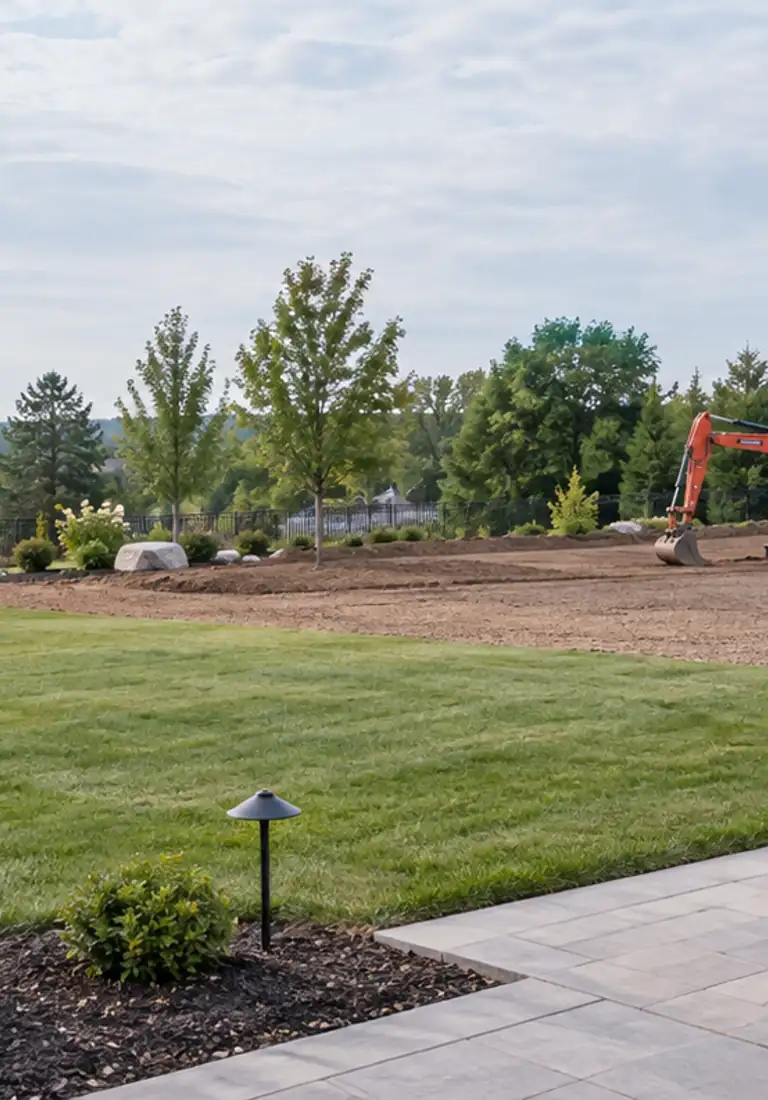
Why Generic Demolition Contractors Fail in Sandy Springs
Removing a structure in the local area isn't just about heavy machinery. It requires strict adherence to local zoning laws and an understanding of the exact environmental factors of Sandy Springs County.
Sandy Springs County Permitting
Before our excavators ever touch your property, we secure all mandatory structural demolition permits directly through the Sandy Springs County building department.
Local Environment & Logistics
Proper compaction is critical after demolition. We engineer the site fill to prevent future foundation shifting or extreme settling, adapting to specific local environmental conditions.
- Soil Composition: Red Piedmont clay, sandy loam near the Chattahoochee River
- Climate Factors: Humid subtropical, hot humid summers, mild winters, afternoon thunderstorms
- Local Obstacles: Expansive red clay, hillside lots near the river, mature tree roots
Responsible Debris Recycling
We don't just dump structural waste anywhere. Concrete, rebar, and lumber from your demolition project in Sandy Springs are carefully separated and transported to approved recycling facilities, keeping thousands of tons of debris out of local landfills and keeping our local Sandy Springs County community clean.
Demolition Cost in Sandy Springs (2026)
How Demolition Works in Sandy Springs
Demolition in Sandy Springs isn't just knocking down a building. The ground here is mostly red Piedmont clay, which gets sticky and heavy when wet. Near the Chattahoochee, you'll find sandy loam, but that brings its own issues with drainage. In neighborhoods like Riverside and downtown Sandy Springs, lots are often on hillsides, so we have to plan for erosion control and access. Mature tree roots are everywhere, and they can wrap around old foundations, making the job tougher. The climate adds to the challenge: hot, humid summers and afternoon thunderstorms can turn the site into a mud pit. permit responsibility should be confirmed through the City of Sandy Springs Community Development, and we know the inspectors. It's not glamorous, but it's what we do every day.
Permit Roadmap: Sandy Springs
What to verify before breaking ground in Sandy Springs, from project scope to contractor responsibility.
Permit Requirements
Before any demolition in Sandy Springs, you need a permit from the City of Sandy Springs Community Development. The process starts with a site plan and proof of utility disconnects.
Process & Documentation
You'll also need a contractor's insurance certificate and a demolition plan that addresses dust, noise, and debris removal. Fees vary by project size, but typically range from $300 to $800.
Fees & Timelines
The city reviews the application, and you can expect approval in about two to three weeks. Once approved, you have 180 days to start the work.
Common Mistakes in Sandy Springs Demolition
Improper compaction leading to ground sinking within months of completion.
Using general excavation crews unfamiliar with specific structural reinforcement and local regulations.
Ignoring drainage flow, causing water pooling on the property after demolition.
Not accounting for Sandy Springs-specific soil stability during the backfill phase.
Demolition Scope Options in Sandy Springs
Use these common demolition scopes to compare written bids in Sandy Springs. The exact work should follow the property, permit, and intended site use.
Structural Demolition
Complete Tear-Downs
Structural demolition may cover sheds, garages, decks, or full buildings. Permit, utility, hazardous-material, and debris requirements depend on the structure.
- Building demolition
- Deck & patio removal
- Structural clearing
Site Clearing
Debris Removal & Grading
Site clearing scopes should spell out debris hauling, legal disposal, erosion controls, imported material, drainage, and finish grade.
- Lot clearing
- Debris hauling
- Land grading
Concrete Breaking
Slab & Driveway Removal
Slab, driveway, and foundation removal should identify work limits, reinforcement, utility conflicts, hauling, disposal, and the restored surface.
- Driveway removal
- Foundation breaking
- Concrete disposal
Sandy Springs, GA Project Data
$12,320
Range: $4,480–$20,160
3–5 Days
Depends on excavation complexity and soil conditions
Required
Confirm responsibility in the written scope
Local planning figures for Sandy Springs — review sources and quote details
Demolition in Sandy Springs: What to Expect
Demolition in Sandy Springs is driven by the area's aging housing stock, redevelopment, and the challenges of red clay and hillside lots. Permits are required, and we handle them. We know the local terrain and climate, so we get the job done safely and on time.
Sandy Springs Project Roadmap
A Phase 1–3 planning outline for comparing structural demolition scopes in Sandy Springs.
Phase 1: Site Prep
The written scope should assign site clearing, utility marking, and preparation of the demolition zone before excavation.
Phase 2: Demolition
The proposal should define structural or selective removal, protection of adjoining areas, dust control, and debris handling.
Phase 3: Grading
Closeout requirements should state whether foundations are removed, what material is imported, how it is compacted, and the required finish grade.
Why Project Costs Vary in Sandy Springs
Understanding the local variables that influence your final estimate.
Red Clay Stabilization
A sloppy demolition job can shift foundations. We check every structure near the dig and compact the fill in lifts so the ground doesn't settle.
Slope Erosion Control
North Fulton's hilly terrain requires specialized silt fencing and terraced grading. We ensure your reclaimed yard doesn't suffer from runoff or soil loss after the pool shell is extracted.
Tree Canopy Protection
Sandy Springs is known for its mature tree cover. We utilize low-impact equipment to navigate tight wooded lots without damaging critical root zones, staying fully compliant with local canopy laws.
Cost Drivers & Mitigation
The biggest challenge in Sandy Springs is the weather. From June to September, afternoon thunderstorms are common, and the red clay turns into a slippery mess.
Timeline & Seasonality
We schedule grading and backfill for dry stretches, and we use track mats to protect the ground. In the winter, mild temps are a bonus, but rain can still slow us down.
Local Logistics & Access
Hillside lots, especially near the river, require careful planning for erosion control. We set up silt fences and straw wattles before we start.
Property Value Impact
Mature tree roots are another issue—they can be massive and often need to be cut with a saw before we can pull the foundation. We work around them where possible, but sometimes they have to go.
Demolition FAQs for Sandy Springs
Get answers to the most common questions about demolition and site clearing. Don't see your question? Use our cost guide or contact us online.
Yes. You need a permit from the City of Sandy Springs Community Development. We handle the application and inspections for you.
Typical costs range from $8,000 to $13,000, depending on the size, location, and obstacles like hillsides or tree roots.
Most projects take five to nine working days, including site prep, demolition, and grading. Weather can cause delays.
Most of Sandy Springs sits on red Piedmont clay, which expands when wet. Near the Chattahoochee, it's sandy loam. We plan for both.
Yes, but we may need to pause during heavy downpours. We use mats and erosion controls to keep the site workable.
Success Stories
Real projects from your neighbors in Sandy Springs.
Success Story 1
In Riverside, we took down a 1950s ranch house on a steep lot. The clay was so expansive that the foundation had shifted...
Success Story 2
Downtown Sandy Springs, we demolished a small commercial building behind a strip mall. Tight access, but we got it done ...
Success Story 3
Abernathy, we removed a house with a huge oak tree that had roots under the slab. We carefully cut the roots and saved t...
Soil & Geology in Sandy Springs
The red Piedmont clay is highly expansive—it swells when wet and shrinks when dry. This can cause foundation shifts, so we dig deep and backfill with proper compaction. Near the river, sandy loam drains faster but is less stable. We test the soil and adjust our methods accordingly.
How the Project Works
Day 1: mobilize, set up erosion control, disconnect utilities. Days 2-4: tear down the structure, sort debris. Days 5-7: remove debris, grade the site. Days 8-9: final compaction and inspection. We keep you updated daily.
Permit Details & Inspections
Your permit package includes a site plan, proof of insurance, utility release forms, and a demolition plan. The city reviews it in about two weeks. Inspections are required after the structure is down and after grading. We schedule them and make sure everything passes.
Yard Restoration & Backfill
After the demo, we backfill with clean fill, compact it in layers, and grade for drainage. We install silt fences if needed. The site is left ready for your new construction or landscaping.
Georgia Service Areas
Explore demolition in Georgia and nearby border communities. Requirements depend on the project address.
Get Your Sandy Springs Demolition Estimate
Tell us about your Sandy Springs-area project to see a local range and request property-specific quotes.
Demolition Costs
Understand the full project scope. See our 2026 Demolition Cost Guide for detailed pricing breakdowns.
Site Reuse Planning
Plan what comes after removal. Review our demolition and site-preparation overview.